by Karl Dyson | Aug 24, 2026 | DIY Solar News, G98
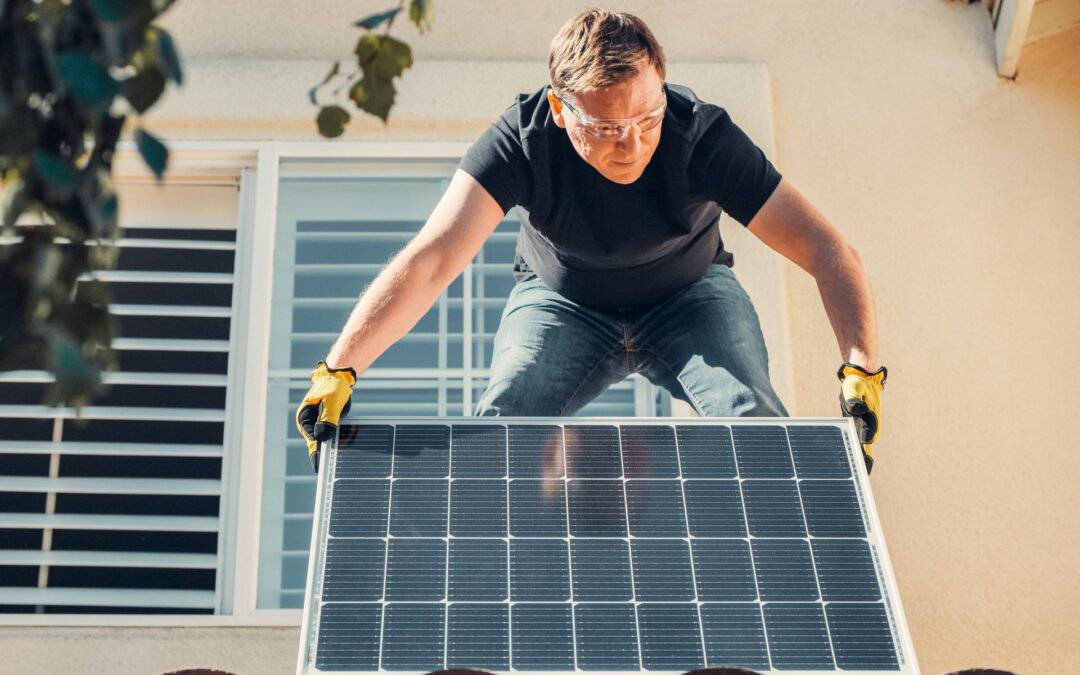
When I first started researching plug-in solar seriously, G98 was the piece that confused me most. It sounds like a filing cabinet reference. Most articles mention it in passing and move on. But G98 is the specific piece of engineering law that governs how your solar...
by Karl Dyson | Aug 23, 2026 | DIY Solar News
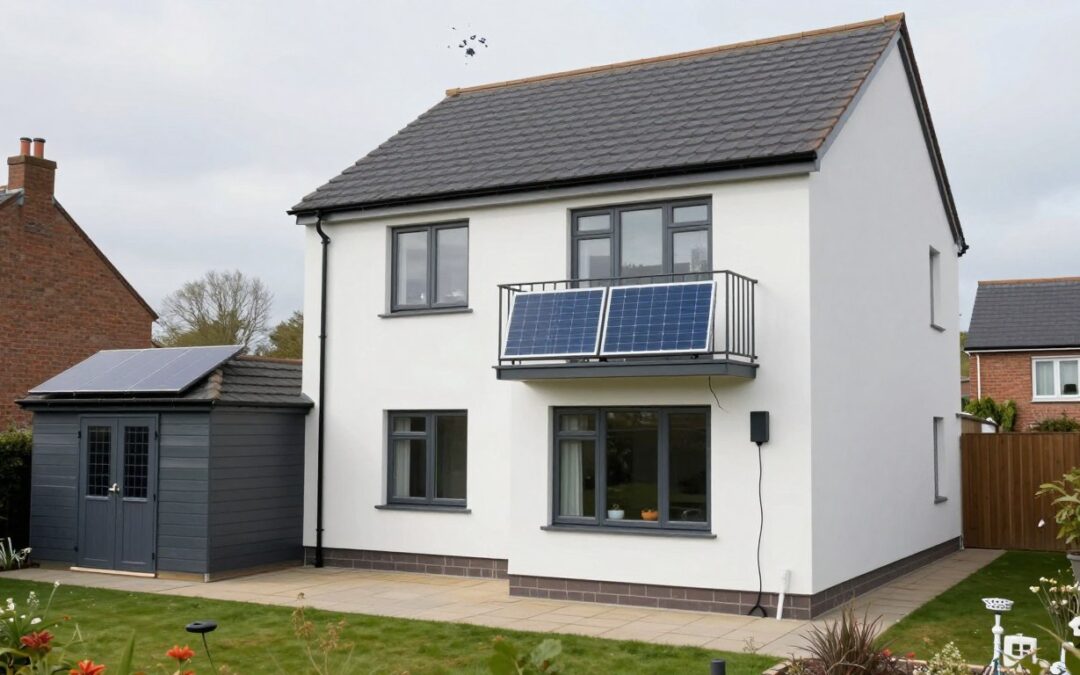
This is one of the questions I get most often, and it has a genuinely confusing answer right now. The short version: the regulations say one system per household. The product spec says one per ring circuit. Those are different things, and the gap between them matters...
by Karl Dyson | Aug 21, 2026 | DIY Solar News
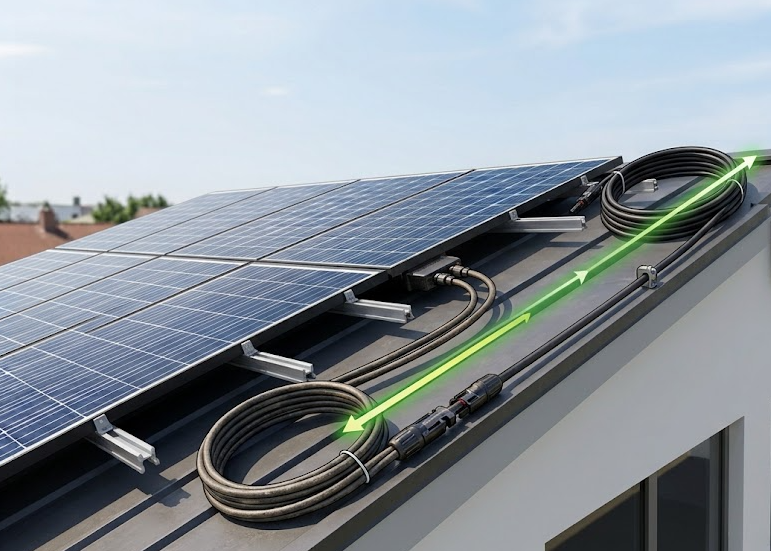
The supplied cables that come with most plug-in solar kits are 1 metre long. Your panel is on the fence. Your inverter is on the shed wall four metres away. So the first practical question almost every new installer asks is: how far can these cables actually run? The...
by Karl Dyson | Aug 19, 2026 | DIY Solar News
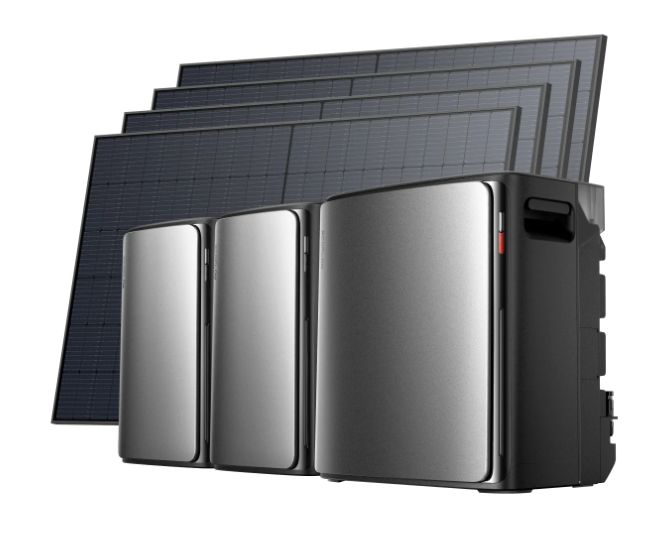
The plug-in battery market in the UK is moving faster than any other part of the home energy space right now. New products are being announced, regulations are settling, and the question of which battery to buy is genuinely complicated by the fact that the best option...
by Karl Dyson | Aug 19, 2026 | DIY Solar News
Plug-in solar is genuinely accessible technology. The new UK regulations under SI 2026/848 exist precisely because the safety case for well-made products was strong enough to justify removing the electrician requirement for certified kits. But accessible does not mean...
by Karl Dyson | Aug 18, 2026 | DIY Solar News
There is a version of this conversation that involves a lot of optimistic marketing and a version that involves real numbers. This is the real numbers version. Plug-in solar and plug-in batteries are becoming the same conversation in the UK. The regulations that...