
by Karl Dyson | Oct 21, 2026 | DIY Solar News, Renters and Flats, Rules and Regulations
Renters get a lot of coverage in the plug-in solar conversation. Quite rightly — they face the same barriers as everyone else plus the additional one of needing landlord permission. But there is a third category of people who face a distinct and often poorly...
by Karl Dyson | May 17, 2026 | DIY Solar News, Getting Started, News, Rules and Regulations
When something new gets legalised, it is natural to ask whether it is actually safe. The short answer for plug-in solar is yes — when installed correctly with certified equipment. But understanding what the safety measures actually do, and what the real risks are if...
by Karl Dyson | May 17, 2026 | DIY Solar News, News, Rules and Regulations
Planning permission is one of those things people worry about disproportionately with solar. The good news is that for plug-in solar in particular, planning permission is almost never required. The slightly more complicated news is that there are specific situations...
by Karl Dyson | May 17, 2026 | DIY Solar News, News, Rules and Regulations
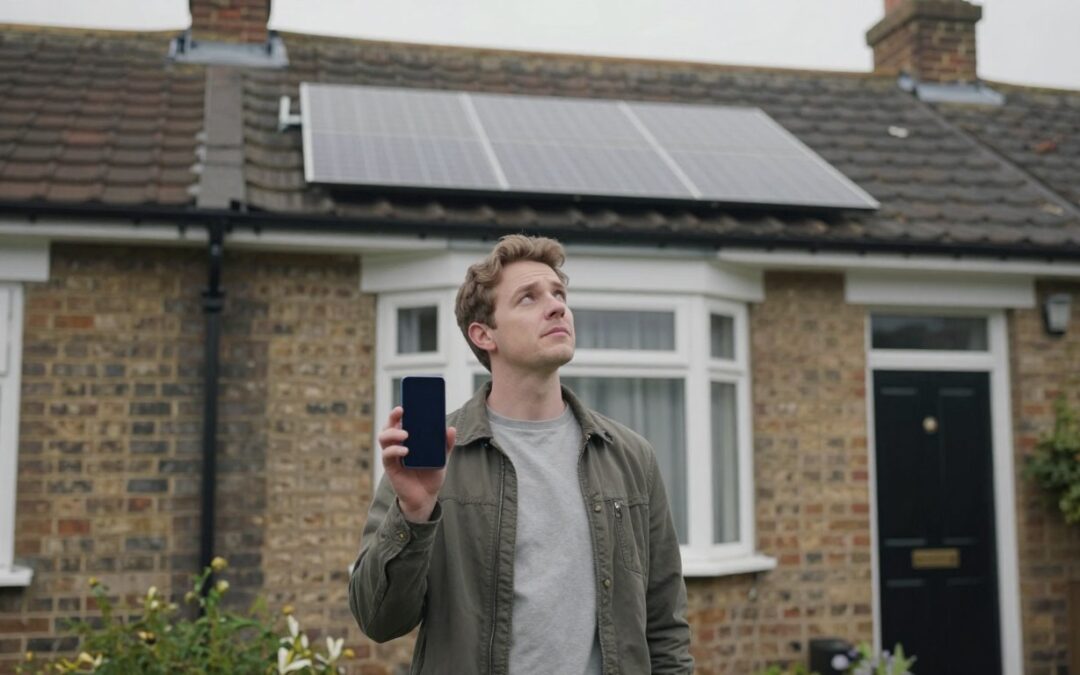
Home insurance is one of the practical steps that gets forgotten in the excitement of setting up a new solar system. Most home insurance policies include a condition requiring you to notify the insurer of significant changes to the property. Failing to do so can...
by Karl Dyson | May 17, 2026 | Costs and Savings, DIY Solar News, Getting Started, News, Rules and Regulations
Plug-in solar in the UK moved from a regulatory grey area to a legal, government-backed technology in the space of a few months in early 2026. If you have questions about how it works, whether it is right for your home, what the rules are, or how to actually get...
by Karl Dyson | May 16, 2026 | DIY Solar News, Getting Started, Rules and Regulations
The vast majority of UK homes can accommodate a plug-in solar system without any electrical work beyond the standard installation steps. But there is one area worth checking before you buy, particularly in older properties: the type of RCD protection in your consumer...