by Karl Dyson | Oct 24, 2026 | DIY Solar News, Getting Started
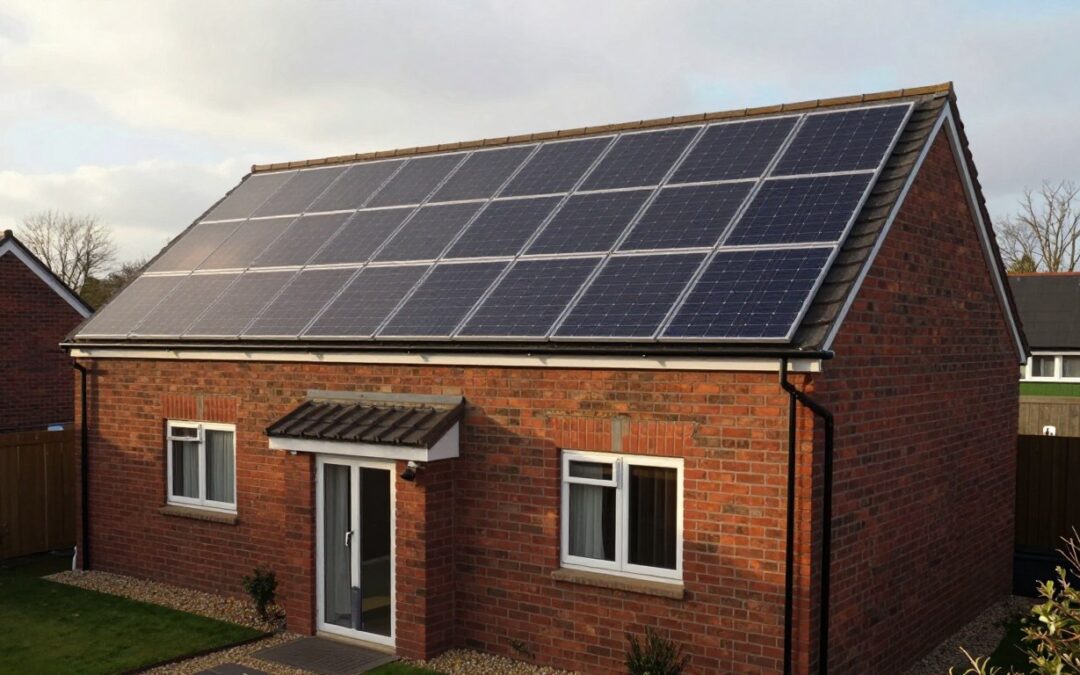
Ask most people where to point a solar panel and they will say south. They are right, in one sense. A south-facing panel at the correct tilt angle for your latitude will generate more kilowatt-hours per year than the same panel facing any other direction. But...
by Karl Dyson | Oct 19, 2026 | DIY Solar News, Getting Started
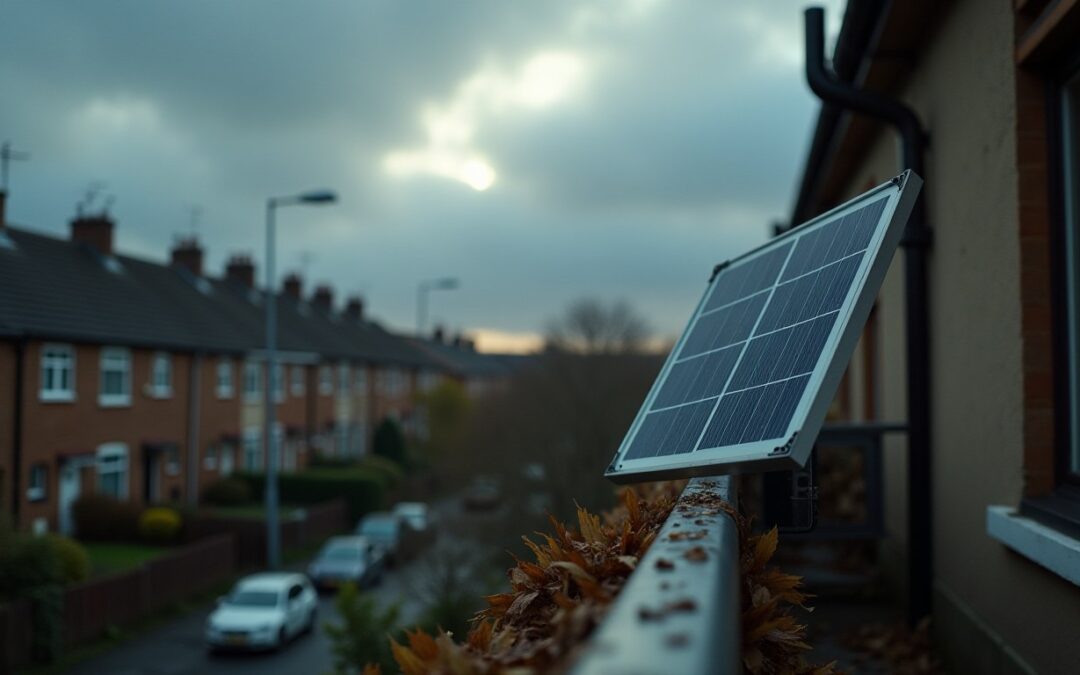
A plug-in solar panel is a large, flat, angled object fixed in an outdoor location — often in a garden, on a roof, or against a fence. In still conditions it sits quietly generating electricity. In a storm, it becomes a sail. Wind is the most commonly underestimated...
by Karl Dyson | Oct 18, 2026 | DIY Solar News, Getting Started
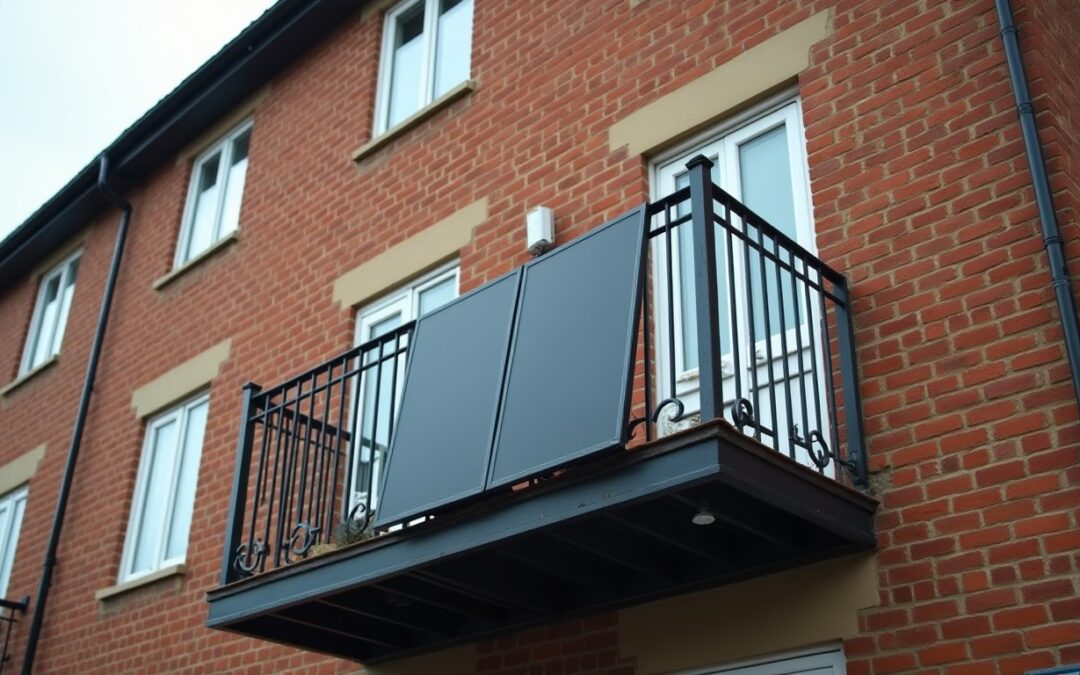
If you live in Germany, you can pick up a plug-in solar kit at Lidl. In France and the Netherlands, they are in mainstream electrical retailers. In the UK, you can order one online and wait a few days for delivery — but you cannot walk into a physical shop and buy one...
by Karl Dyson | May 17, 2026 | DIY Solar News, Getting Started, News, Rules and Regulations
When something new gets legalised, it is natural to ask whether it is actually safe. The short answer for plug-in solar is yes — when installed correctly with certified equipment. But understanding what the safety measures actually do, and what the real risks are if...
by Karl Dyson | May 17, 2026 | DIY Solar News, Getting Started, News
If you have read anything about plug-in solar you have probably come across the term anti-islanding protection. It sounds technical, but the concept is simple and the reason it matters is straightforward. It is also the reason your plug-in solar system shuts off...
by Karl Dyson | May 17, 2026 | DIY Solar News, Getting Started, News
Most plug-in solar kit guides focus on the panels and the microinverter. The cable run from the panels to the indoor socket gets less attention, but getting it right affects both safety and how professional the installation looks. Here is how to handle it for the...