by Karl Dyson | May 17, 2026 | DIY Solar News, Getting Started, News
If you have read anything about plug-in solar you have probably come across the term anti-islanding protection. It sounds technical, but the concept is simple and the reason it matters is straightforward. It is also the reason your plug-in solar system shuts off...
by Karl Dyson | May 17, 2026 | DIY Solar News, Getting Started, News
Most plug-in solar kit guides focus on the panels and the microinverter. The cable run from the panels to the indoor socket gets less attention, but getting it right affects both safety and how professional the installation looks. Here is how to handle it for the...
by Karl Dyson | May 17, 2026 | DIY Solar News, Getting Started, News
The marketing around plug-in solar makes it look simple: panels arrive, you clip them up, plug them in, electricity happens. And it genuinely is that simple once everything is in place. But there are a handful of things that regularly catch first-time buyers by...
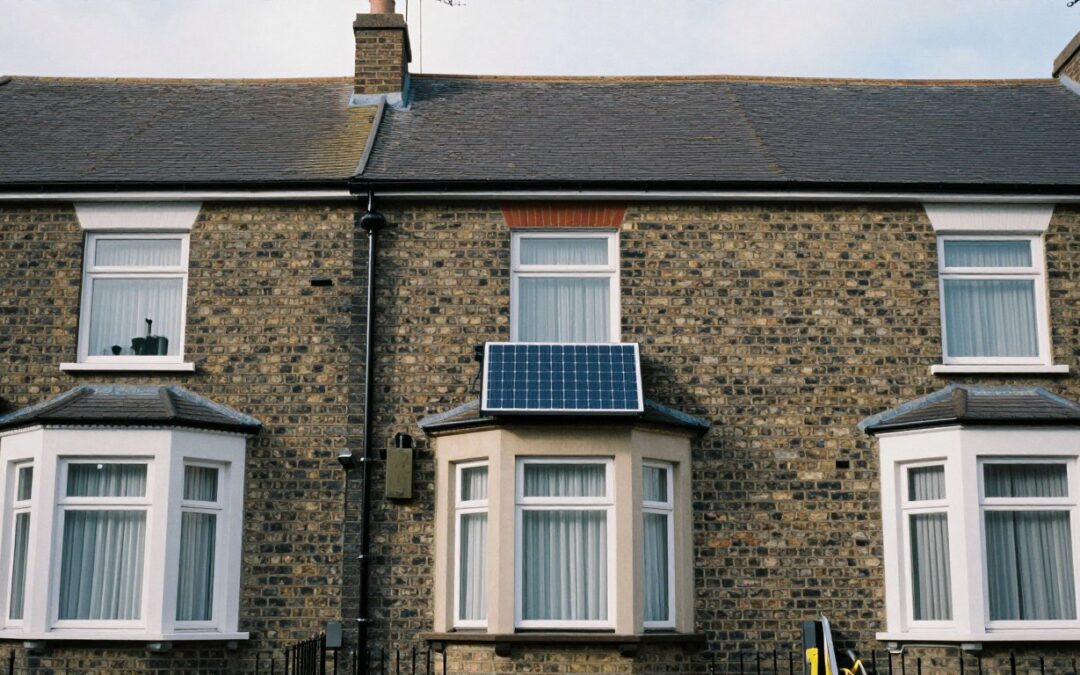
by Karl Dyson | May 17, 2026 | DIY Solar News, Getting Started, News
Terraced houses make up a large proportion of the UK housing stock, particularly in cities and older towns. They present a specific challenge for solar: the front of the house faces one direction and the back the other, and in a typical UK street layout one of those...
by Karl Dyson | May 17, 2026 | DIY Solar News, News, Rules and Regulations
Planning permission is one of those things people worry about disproportionately with solar. The good news is that for plug-in solar in particular, planning permission is almost never required. The slightly more complicated news is that there are specific situations...
by Karl Dyson | May 17, 2026 | DIY Solar News, Getting Started, News
Most explanations of how plug-in solar works use phrases like “feeds into the ring main” or “bidirectional power flow” without explaining what any of that actually means for you and your electricity bill. Here is a plain English version. Step...