by Karl Dyson | Aug 18, 2026 | DIY Solar News
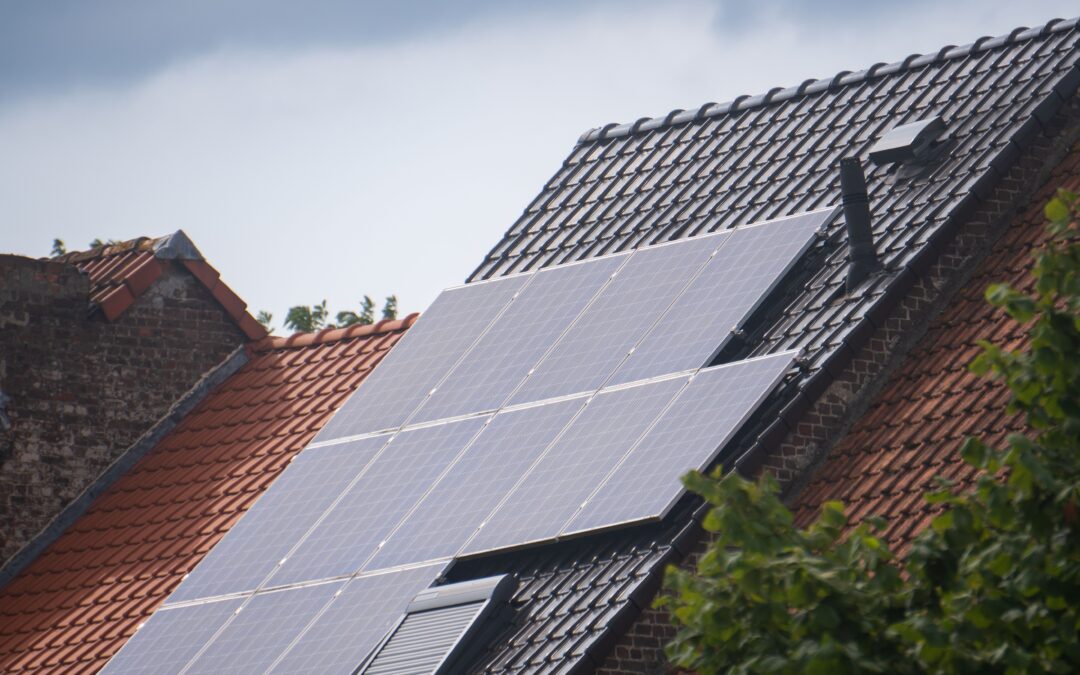
There is a version of this conversation that involves a lot of optimistic marketing and a version that involves real numbers. This is the real numbers version. Plug-in solar and plug-in batteries are becoming the same conversation in the UK. The regulations that...
by Karl Dyson | Aug 18, 2026 | DIY Solar News
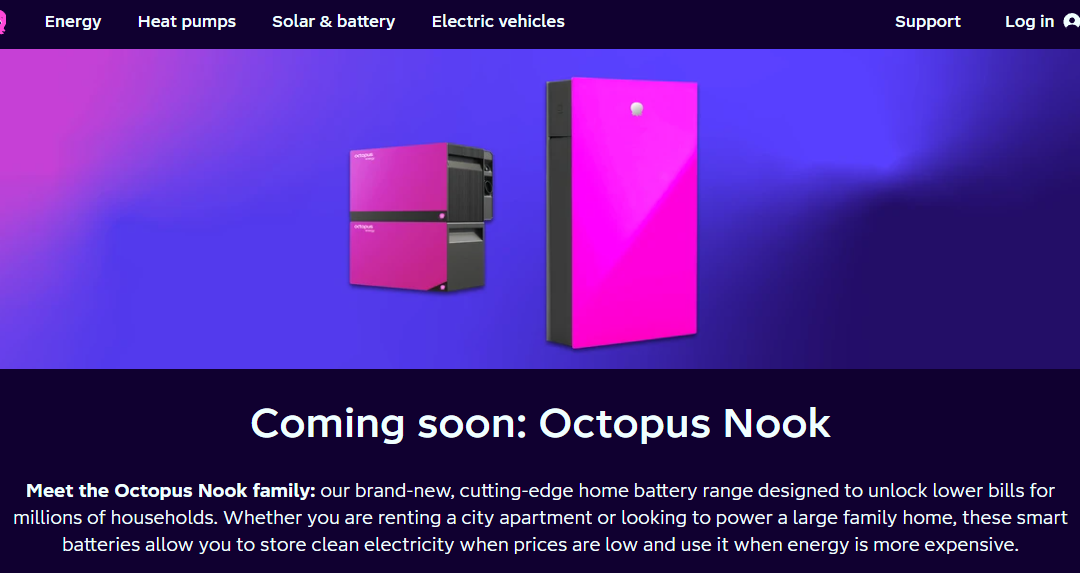
On 22 June 2026, Octopus Energy CEO Greg Jackson walked on stage at the company’s Energy Tech Summit in London holding a small grey cube. That cube is the Nook — Octopus’s first own-brand home battery, announced as a direct response to the 10 million UK...
by Karl Dyson | Aug 2, 2026 | DIY Solar News
When we published our first US plug-in solar guide earlier this year, Utah was the only state with a law on the books. Five months later, eight states have signed legislation, ten have passed bills with more in the pipeline, and the largest rental market in the...
by Karl Dyson | Aug 2, 2026 | DIY Solar News
EcoFlow’s naming has confused a lot of people. There are five products in the STREAM range, they do different things, and picking the wrong one is an expensive mistake. I have been running the STREAM Ultra X at home in Peterborough since spring 2026 and have...
by Karl Dyson | Aug 1, 2026 | DIY Solar News, Weekly Roundup
June was the consultation. July was the decision. On 16 July, DESNZ published its government response, finalised the product specification as version 2.0, and made the enabling regulations in a single day. SI 2026/848 was laid before Parliament on 17 July and comes...