by Karl Dyson | May 17, 2026 | DIY Solar News, Getting Started, News
Most explanations of how plug-in solar works use phrases like “feeds into the ring main” or “bidirectional power flow” without explaining what any of that actually means for you and your electricity bill. Here is a plain English version. Step...

by Karl Dyson | May 17, 2026 | DIY Solar News, News, Renters and Flats
The single most important factor in getting landlord permission for plug-in solar is framing the request correctly. Vague requests get vague or negative responses. A clear, factual email that answers the questions before they are asked gets a much quicker yes. Here is...
by Karl Dyson | May 17, 2026 | Buying Guide, DIY Solar News, News
The legal limit for plug-in solar in the UK is 800W, which typically means two 400W panels. Most marketing pushes the maximum configuration, but that is not always the right answer for every household. Here is how to think about size. The 800W case: nearly always the...
by Karl Dyson | May 17, 2026 | DIY Solar News, News, Rules and Regulations
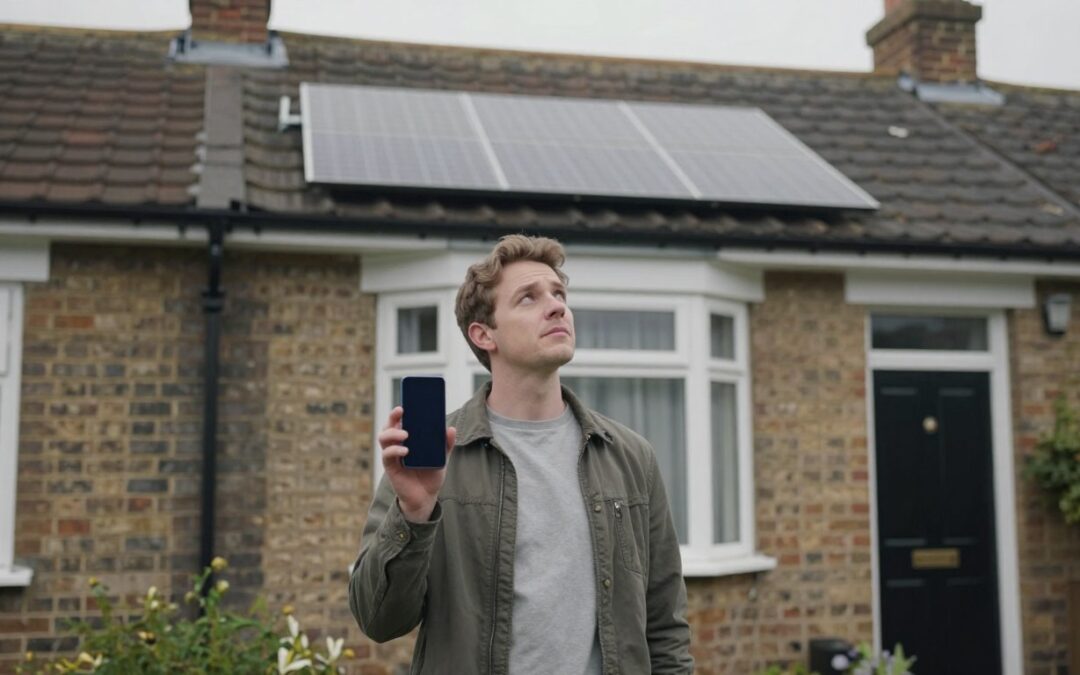
Home insurance is one of the practical steps that gets forgotten in the excitement of setting up a new solar system. Most home insurance policies include a condition requiring you to notify the insurer of significant changes to the property. Failing to do so can...
by Karl Dyson | May 17, 2026 | DIY Solar News, News, Renters and Flats
The portability of plug-in solar is one of its defining advantages over rooftop solar, and it is one of the reasons the government specifically targeted renters and flat-dwellers when pushing for legalisation. You are not investing in a building you do not own. You...
by Karl Dyson | May 17, 2026 | DIY Solar News, Getting Started, News
When people think about where to put plug-in solar panels, the balcony and the garden fence tend to get all the attention. But there is one location that consistently outperforms both and that most people overlook entirely: the shed roof. Why shed roofs work so well A...