
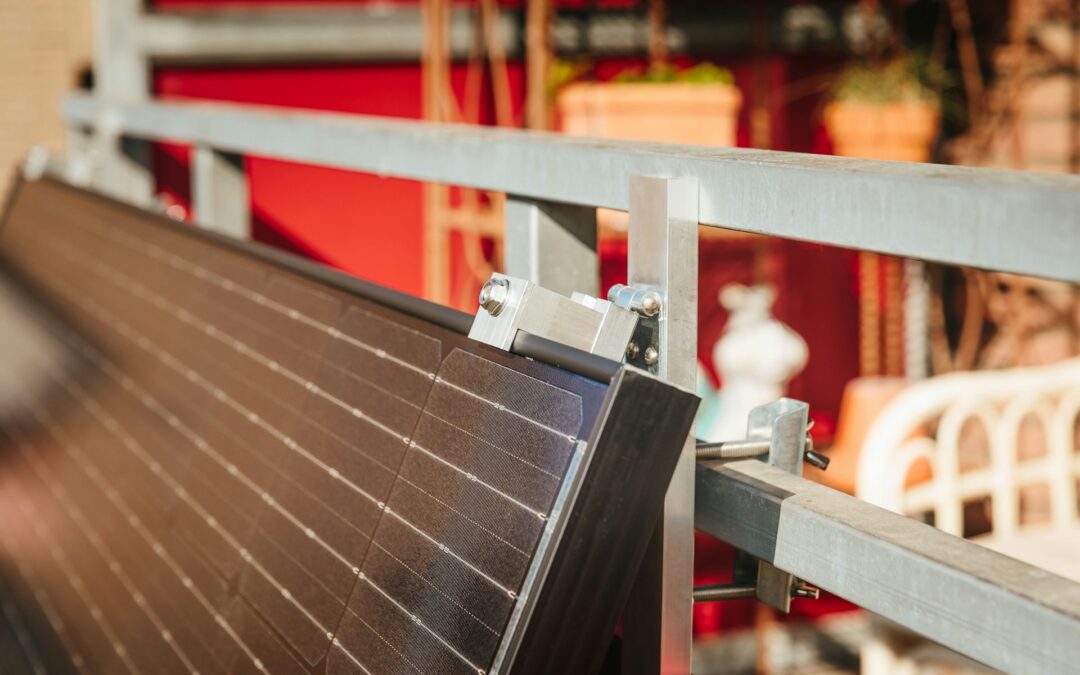
Today is day one of the UK plug-in solar market. SI 2026/848 came into force this morning and for the first time you can legally buy a certified kit, plug it into a standard socket, and generate electricity from it. The market is genuinely new and the retail landscape is still filling in — but there is already enough to buy, and a wave of European products is arriving fast.
This guide covers every option worth knowing about as of today: what to buy now, what to watch for in the coming weeks, and the one check you must make before plugging anything in. I will keep this page updated as new products land on the ENA register and new retailers launch. If you have a question or have found something I have not covered, use the contact form at the bottom and I will get back to you.
The one thing to check before buying anything
Before I get into specific products: the ENA G98 Type Test Register is the only thing that matters for the socket-connection route. If a kit’s inverter is on that register, you can plug it in legally from today. If it is not, you cannot — regardless of what the packaging says or how the retailer describes it. The register is at energynetworks.org/g98. Filter for plug-in solar and find the specific model. Two minutes. Do it before buying.
The register had seven certified products as of last week, all from a single manufacturer. It will grow quickly now the legal framework is live. This page flags certification status where known, but check the register yourself because it updates in real time and this page does not.
EcoFlow STREAM: the benchmark
EcoFlow is the UK government’s named technology partner for the plug-in solar rollout. That is not marketing — it means EcoFlow was involved in the development of the UK certification framework and their STREAM product range was designed specifically around IPS v2 requirements. They are the most likely manufacturer to have products on the ENA register from day one, and the STREAM is the product I would recommend to most buyers as a starting point.
EcoFlow STREAM Microinverter Kit
The solar-only version — panels plus the STREAM Microinverter, no battery. This is the product designed for the certified socket-connection route under SI 2026/848. It comes as a complete kit with panels, the microinverter, a factory-fitted UK BS 1363 plug (required for certification), and mounting hardware. The STREAM Microinverter has two independent MPPT inputs, built-in Wi-Fi (no separate monitoring bridge required), and the EcoFlow app for real-time generation data.
The app is the best consumer solar monitoring interface available from any brand in this category. Clean, responsive, and genuinely useful — it shows live generation, consumption, and grid flow in a way that makes the system’s behaviour easy to understand. The microinverter carries a 5-year warranty, which is shorter than Hoymiles (12 years) and Anker (12 years) but backed by a UK-established brand with UK customer support.
Price: around £350 to £499 for the inverter and panel bundle depending on panel wattage. Available at ecoflow.com/uk, Amazon UK, and from specialist solar retailers. Confirm the specific SKU is on the ENA register before ordering.
EcoFlow STREAM Pro, Ultra, and Ultra X
These are the battery-integrated units — the ones I have been using through the hardwired route. They sit outside the certified socket-connection category because the IPS v2 covers solar-only kits, but they are the most capable systems available in the UK market and are worth serious consideration if you want battery storage.
The STREAM Pro has 1.92kWh of storage and a 1,200W AC output. The Ultra has the same storage but improved efficiency. The Ultra X has 3.84kWh — four independent MPPT inputs, 1,200W AC output, and the most generation capacity of any system in the range. All three require a CPS-registered electrician for the hardwired connection rather than the socket-connection route. An electrician will fit a dedicated circuit at your consumer unit, submit the G98 notification, and commission the system. The electrician route adds £300 to £600 in installation cost depending on your setup.
Price: STREAM Pro from £799, Ultra from £899, Ultra X from £1,249. Available direct from EcoFlow and on Amazon UK. See our EcoFlow STREAM models guide for a full breakdown of every product in the range, which route each requires, and which one suits which installation scenario. The EcoFlow STREAM FAQ covers every technical question about the product range in detail.
Buying through Amazon: the easiest and safest option for most people
For most buyers, Amazon UK is where this purchase should happen. Not because Amazon’s own selection is automatically the best — it is not, and there is plenty of uncertified kit mixed in with the genuine products — but because of what Amazon gives you around the purchase.
Amazon’s A-to-Z guarantee covers you if a product does not match its description. Their returns policy (typically 30 days for most categories) means if you open the box and something is wrong, the process for getting a replacement or refund is straightforward. For a product category that is genuinely new to the UK market, where a minority of retailers may be less reliable, buying through Amazon with a major brand (EcoFlow, Anker) from the brand’s own Amazon store is about as low-risk as this purchase gets.
EcoFlow has its own Amazon store at Amazon UK. Anker SOLIX has its own store. Hoymiles sells through UK specialist retailers who list on Amazon. These are not marketplace third-party sellers — they are the brands themselves, selling direct, with the same returns and warranty as buying from their own website.
The essential Amazon warning. Amazon’s marketplace also lists uncertified inverters, EU-specification kits with Schuko plugs that are not legal for socket connection in the UK, and products described as “balcony solar” that have not been assessed against IPS v2. Filter for IPS v2 compliance. Check the ENA register for the specific model. If the listing does not explicitly state UK G98 certification and you cannot verify it on the register, do not buy it. This is not a reason to avoid Amazon — it is a reason to check before clicking Buy.
Lidl: coming very soon
Lidl was one of the government’s named retail partners when the plug-in solar rollout was announced in March 2026. Their Parkside brand runs a highly popular balcony solar kit in Germany — the same format, adapted for UK wiring standards and IPS v2 certification, is expected on UK shelves imminently.
Based on the German Parkside kit and government pricing guidance, the UK version is expected to cost around £299 to £449 for an 800W two-panel system. This would make it the cheapest route into certified plug-in solar from a mainstream retailer. The trade-off: Lidl Specialbuys are time-limited, sell fast, and do not restock. The warranty on supermarket own-brand solar is typically shorter than branded alternatives (likely 2 years on the inverter versus 5 to 12 years from EcoFlow and Hoymiles respectively). Long-term support runs through Lidl rather than a dedicated solar brand.
Worth buying? If the price lands at £299 to £349, yes — for someone who wants to try plug-in solar with the lowest possible upfront commitment, a Lidl kit is a reasonable first step. Just understand what you are getting: a solid kit at a competitive price from a supermarket channel, not a dedicated solar brand with a specialist support infrastructure.
Sign up for Lidl’s Specialbuys newsletter to be notified when the drop happens. There will be no pre-order — it will appear on a Thursday and sell out within days.
One thing worth knowing: the inverter inside most supermarket own-brand kits is usually a rebadged Hoymiles, Deye, or TSUN unit. The solar hardware is likely identical or very close to dedicated brand products. The difference is in the warranty, the support channel, and what happens when a firmware update is needed years from now. The supermarket routes are fine for the hardware — just make sure the specific product is on the ENA register before plugging in.
Anker SOLIX: the strong alternative
Anker built their reputation on phone chargers and portable power and applied that approach to solar — reliable hardware, clean packaging, strong app, competitive pricing. The SOLIX RS40P microinverter carries a 12-year warranty, the longest of any product widely available in the UK market. That warranty difference versus EcoFlow’s 5-year coverage is meaningful over a 15 to 20 year system life.
The Anker SOLIX app is well-designed and provides clear generation monitoring. Build quality is good — Anker’s reputation from consumer electronics carries through. Where Anker is weaker: their UK retail distribution is thinner than EcoFlow, and specialist solar support is less established in the UK. Check current availability before committing.
The SOLIX Solarbank battery add-on (around £400 to £600) is one of the more competitively priced storage options available if you want to add battery later. The Solarbank system with solar panels is a hardwired installation requiring a CPS electrician — same route as the EcoFlow STREAM battery range.
Price: SOLIX RS40P microinverter from around £150, complete 800W kits from around £450 to £600. Available on Amazon UK from Anker’s own store.
Hoymiles: the European workhorse
Hoymiles has over a million HMS-800 units installed in Germany’s Balkonkraftwerk market. That scale of European deployment is the most reassuring track record available in this category. The HMS-800 is a dual-MPPT microinverter — two independent solar inputs, IP67 rated, 12-year warranty, designed for outdoor mounting directly at the panels.
The trade-off versus EcoFlow: the HMS-800 does not have built-in Wi-Fi. It communicates via RS485 to a separate DTU monitoring bridge (the DTU-W100, around £35 to £50), which provides the Wi-Fi connection to the S-Miles Cloud app. The S-Miles app works but is less polished than EcoFlow’s. If the app experience matters, EcoFlow is better. If the 12-year warranty and proven European scale matter more, Hoymiles is the better inverter.
UK G98 certification for the HMS-800 under IPS v2 had not been confirmed as of today’s launch — check the ENA register for current status. The hardwired route (CPS electrician, dedicated circuit) remains available regardless of socket-connection certification status. Our Hoymiles HMS-800 UK review has the full assessment.
Price: HMS-800 inverter from around £120 to £150 plus DTU bridge. Available from solar specialist retailers and Amazon UK. For the full EcoFlow versus Hoymiles comparison, see our head-to-head comparison article.
The European wave: brands arriving in the UK now
Germany and Austria have had plug-in solar legal frameworks for years. Several established European brands have been selling successfully on the continent and are now moving into the UK market as the legal framework opens. Here is what to watch.
APsystems EZ1-M. A purpose-built balcony solar microinverter widely used across European markets since 2021. Two independent MPPT inputs, Bluetooth monitoring for setup and Wi-Fi for ongoing data via their EMA app. The EZ1-M is the lowest-cost entry point from a reputable microinverter brand — the inverter alone costs around £120. Many UK plug-in solar kits from specialist retailers use APsystems inverters under their own branding. Solid, proven, and cheap. Less polished than EcoFlow on the app side but very competitive on price.
Deye. Deye inverters dominate the budget end of the European balcony solar market and appear inside many supermarket and own-brand kits under different names. The Deye SUN800G3-EU-230 is a 96.5% efficient 800W microinverter at a very competitive price point. Direct Deye branding has limited UK retail presence currently, but you have almost certainly encountered a Deye-based system under a retailer’s own brand name.
Zendure. Zendure’s focus is intelligent energy management — their Hyper 2000 hub coordinates panels, batteries, and consumption using AI-based time-of-use optimisation. For households on Octopus Agile or similar half-hourly tariffs, Zendure’s approach can significantly increase the financial return from a system. More complex than EcoFlow or Anker, better suited to technically confident buyers. UK distribution is improving but check availability before committing — until recently most UK buyers were sourcing from European retailers.
Craftstrom and Bright Saver. UK-market specialist brands that typically bundle Hoymiles or APsystems inverters with their own panel selection and mounting hardware into complete kits with UK-specific documentation and support. A route in for buyers who want the simplicity of a complete kit with UK-based support, at prices between the supermarket and premium branded options.
What not to buy
The UK market opening has also produced a rush of products that look like plug-in solar kits but are not certified for UK socket connection. Specifically to avoid:
Any kit with a Schuko lead (the two-pin round European plug). This is the German plug standard and it is not legal for UK socket connection even with an adapter. A certified UK kit must have a factory-fitted BS 1363 13A plug with a 5A fuse — this is a specific IPS v2 requirement, not a preference.
Unbranded inverters from Amazon or eBay with no datasheet, no UKCA marking, and no published warranty. The inverter is the safety-critical component in a grid-connected solar system. An inverter without proper anti-islanding protection and G98 certification poses a real risk to people working on the network. Do not skimp here.
Products described as “balcony solar” or “plug-in solar” that have a battery included. As of today, the certified socket-connection route covers solar-only kits. A kit with a battery requires a CPS electrician for hardwired connection. This is fine — just go in knowing it requires the electrician route rather than plug-and-play.
It is early days — help is here
This is a brand new market category in the UK. The products are real and tested — six systems went through government safety testing earlier this year and all performed within limits. But the retail ecosystem is still establishing itself, the ENA register will change daily over the coming weeks, and some products will arrive before their documentation is fully sorted.
If you have bought something and cannot work out whether it is certified, if a retailer has given you conflicting information, or if you are trying to choose between options and the comparisons are not making sense — use the contact form below. This site exists to be useful to people navigating exactly this situation, and we will give you a straight answer rather than a generic response.
The articles on this site that are most useful right now:
For understanding what “certified” means and how to check the ENA register: the August 2026 regulations article.
For G98 notification, how to find your DNO, and whether you can earn export payments: the G98 complete guide.
For understanding what the EcoFlow STREAM range actually is and which product fits which route: the EcoFlow STREAM models guide and the EcoFlow STREAM FAQ.
For what 800W actually generates and what you save: the 800W output article and the savings calculator.
For renters and leaseholders: the renters and leaseholders article.
For safety — the consumer unit check, Type B RCDs, and what to verify before connecting: the safety tips article.
Leave a comment below if you have bought a kit today and want to share what you got, where from, and how the process went. First-day real-world data from UK buyers is valuable and I will respond to every comment.
Trackbacks/Pingbacks