Solar Plugin UK — DIY Plug-in Solar for UK - FAQ News and products
  • Home
  • Plug-In Solar FAQ
  • Getting Started
  • Rules and Regulations
  • Savings Calculator
  • Best Plug-In Solar Kits UK 2026
  • Blog
  • About Us
Select Page

Should You Add a Battery to Your Plug-In Solar Kit?

by Karl Dyson | May 16, 2026 | Buying Guide, Costs and Savings, DIY Solar News

A panel-only plug-in solar kit generates electricity when the sun is shining. If you are at home during the day, that is when you use it, and the saving goes straight to your bill. But most people use more electricity in the morning and evening than at midday, which...
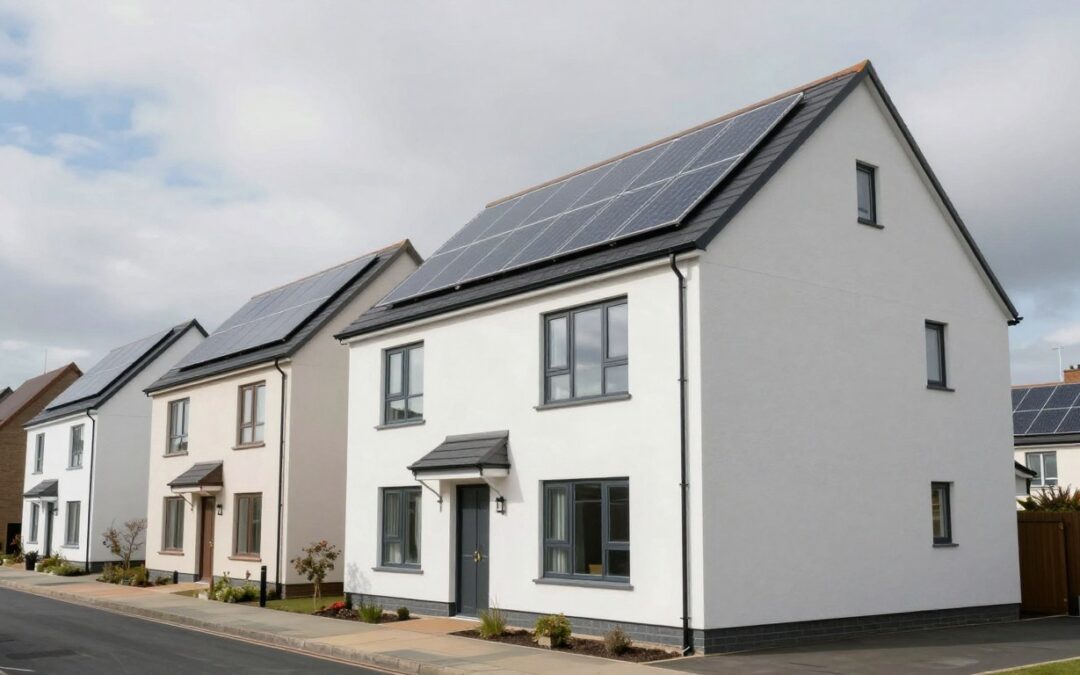
The Future Homes Standard Explained: What It Means for Solar in New Builds

The Future Homes Standard Explained: What It Means for Solar in New Builds

by Karl Dyson | May 16, 2026 | DIY Solar News, Rules and Regulations

The Future Homes Standard came into force in England on 24 March 2026, the same day the government announced the legalisation of plug-in solar. It is a significant piece of regulation that will change what new homes look like for the foreseeable future, and it has...

Octopus Go and Plug-In Solar: How to Get the Most From Both

by Karl Dyson | May 16, 2026 | Buying Guide, Costs and Savings, DIY Solar News

Most people on standard electricity tariffs pay the same rate per unit throughout the day. Time-of-use tariffs work differently: they charge less for electricity used at certain times, typically overnight, and more at peak periods. When combined with a plug-in solar...

Plug-In Solar and Your Consumer Unit: What to Check Before You Buy

by Karl Dyson | May 16, 2026 | DIY Solar News, Getting Started, Rules and Regulations

The vast majority of UK homes can accommodate a plug-in solar system without any electrical work beyond the standard installation steps. But there is one area worth checking before you buy, particularly in older properties: the type of RCD protection in your consumer...

BSI Product Standard for Plug-In Solar: What to Expect in July 2026

by Karl Dyson | May 16, 2026 | DIY Solar News, Rules and Regulations

The wiring regulations for plug-in solar in the UK were updated on 15 April 2026 through BS 7671 Amendment 4. That dealt with the installation side: how the system connects to a home’s circuits and what the output limits are. What it did not do is define exactly...
« Older Entries
Next Entries »

Recent Posts

  • Plug-In Solar in a Leasehold Flat: The Building Management Problem Nobody Talks About
  • Octopus Agile and Plug-In Solar: How to Combine Both for Near-Zero Electricity Bills
  • Wind, Panels and What Goes Wrong: How to Fix Plug-In Solar Safely
  • Why Can’t You Buy Plug-In Solar at Lidl, B&Q or Screwfix Yet?
  • Solar Diverters and Plug-In Solar: Do You Need an Eddi or iBoost?

Recent Comments

  1. Plug-In Solar and Old Fuse Boards: Is Your Consumer Unit Safe? - Solar Plugin UK — DIY Plug-in Solar for UK - FAQ News and products on What Is a Type B RCD and Why Do You Need One for Plug-In Solar?
  2. Can I Connect Plug-In Solar Panels in Parallel to Get More Power? - Solar Plugin UK — DIY Plug-in Solar for UK - FAQ News and products on Can I Have More Than One Plug-In Solar System in My House?
  3. UK Plug-In Solar: What Happened in September 2026 - Solar Plugin UK — DIY Plug-in Solar for UK - FAQ News and products on Best Plug-In Solar Panels UK 2026: Every Option Worth Buying Right Now
  4. Can I Use Plug-In Solar to Charge a Powerbank or Portable Battery? - Solar Plugin UK — DIY Plug-in Solar for UK - FAQ News and products on EcoFlow STREAM FAQ: Your Questions Answered (2026)
  5. What Is Anti-Islanding and Why Does Every Plug-In Solar System Need It? - Solar Plugin UK — DIY Plug-in Solar for UK - FAQ News and products on Plug-In Solar in a Power Cut: What Actually Happens

Solar Plugin UK

  • DIY Solar News
  • Plug-In Solar UK: Every Question Answered
  • Plug-In Solar FAQ

Site Menu

  • About Us
  • Contact
  • Terms and Conditions
  • Work With Us
  • Facebook
  • X
  • Instagram
  • RSS
solarpluginuk.com - Generate your own free electricity. No installer, no scaffolding, no fuss