Anker SOLIX vs EcoFlow STREAM: Which G98-Certified Plug-In Solar Kit Should You Buy?
Two brands dominate the early UK certified plug-in solar market. Here’s an honest comparison of Anker SOLIX and EcoFlow STREAM — hardware, app, price, and which one is right for your situation.
If you are buying a plug-in solar kit in the UK right now and you want something certified and legal for grid connection, two brands are at the front of the market: Anker SOLIX and EcoFlow STREAM.
Both arrived at G98 certification in 2026, making them among the first fully compliant plug-in solar kits available to UK consumers. Both are backed by large, well-capitalised technology companies. Both have polished apps, warranty support, and expansion pathways.
So which one should you actually buy?
This comparison covers what I know about both systems as of late 2026. The market is moving fast and specs change, so always verify current availability and pricing from authorised UK retailers before purchasing.
Background: why certification matters
Before comparing the two, it is worth briefly explaining why certification is important here.
For a plug-in solar kit to be legally connected to the UK grid, the micro-inverter needs to meet the requirements of Engineering Recommendation G98 — the technical standard governing small-scale embedded generation under 3.68kW. This includes anti-islanding protection (the inverter shuts down instantly during a power cut, so it cannot backfeed into a de-energised grid), frequency and voltage response requirements, and a formal type test registered with the Energy Networks Association.
Before 2026, no plug-in solar kit had formal G98 type test registration. The legal status of plug-in solar in the UK was genuinely unclear. Now there are certified options, and the market is moving from grey area to mainstream.
Anker SOLIX and EcoFlow STREAM were among the first to achieve this registration. That is significant. It is also not the end of the story — other manufacturers are following.
The hardware
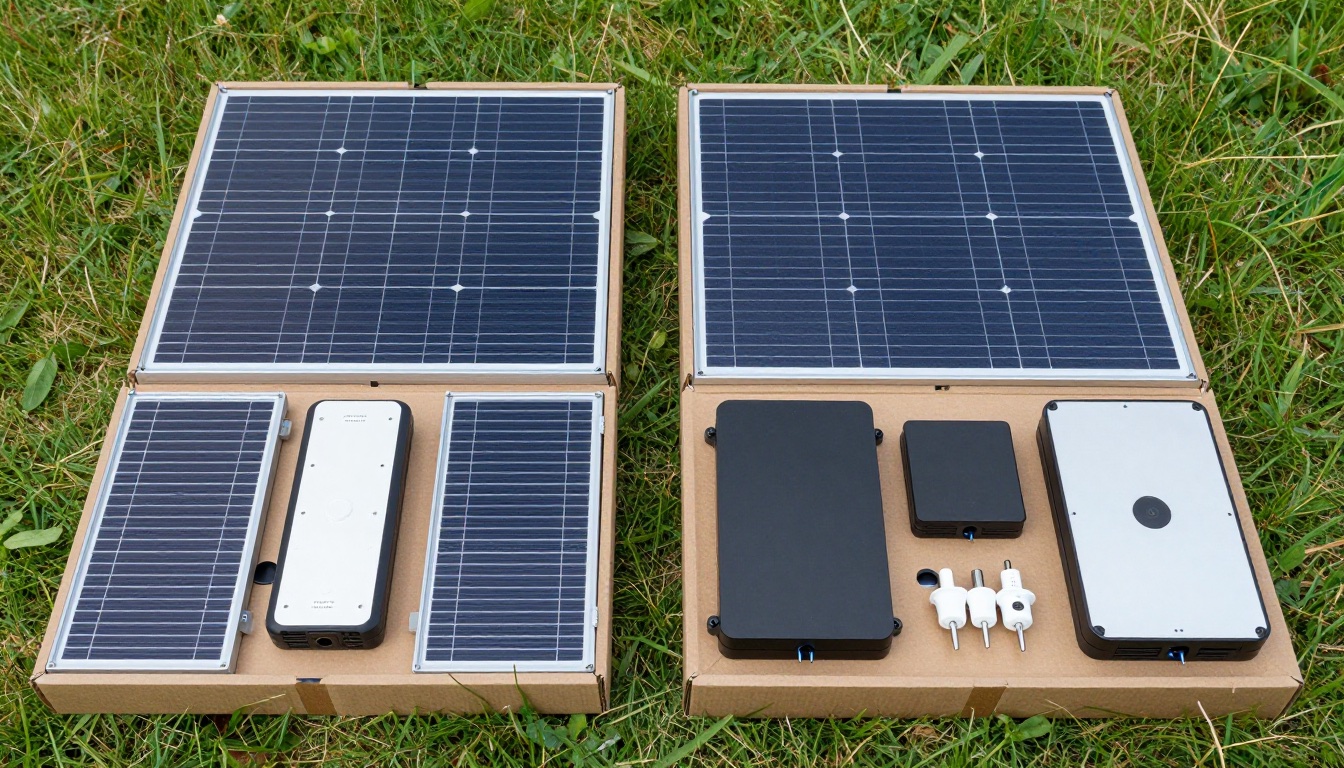
Both systems follow the same fundamental architecture: solar panel(s) feeding a micro-inverter, with AC output through a standard 13-amp plug.
EcoFlow STREAM — The STREAM range uses EcoFlow’s own micro-inverter hardware, tightly integrated with their monitoring ecosystem. The panels are EcoFlow-branded monocrystalline units, available in sizes from around 400W. The micro-inverter connects to the EcoFlow STREAM app, which shows live generation and historical data. A cable with a standard UK plug goes into your socket, and generation begins automatically when there is sunlight.
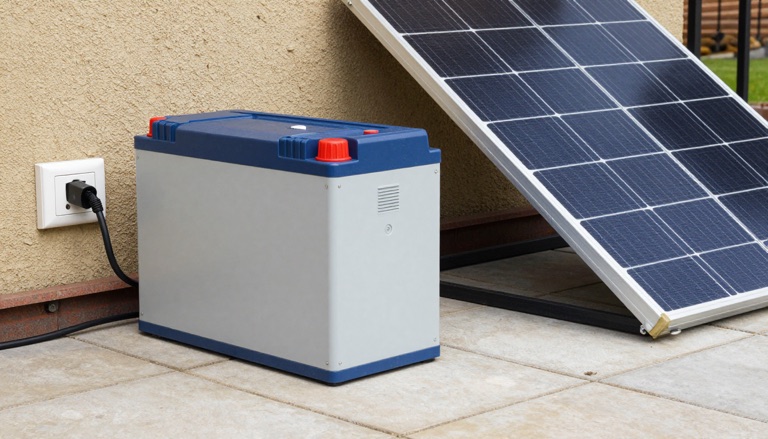
The STREAM range also extends to a home battery variant — the STREAM Home — which adds an EcoFlow home battery that stores solar generation for use when the panels are not generating. This is a significant differentiator if whole-home storage is on your roadmap.
Anker SOLIX — Anker’s SOLIX plug-in solar range similarly uses panels and a micro-inverter in a plug-and-play configuration. Anker has focused on making the setup process as simple as possible — the app guides you through every step, and the hardware arrives mostly pre-configured. The SOLIX ecosystem includes the Anker home battery (the Anker SOLIX X1), which stores both solar generation and cheap overnight electricity for daytime use.
Anker’s wider brand reputation for consumer electronics (phone chargers, power banks, cables) has given them strong retail distribution in the UK — SOLIX products are available through Amazon and major electrical retailers, which is a practical advantage over brands with more specialist distribution.
The app experience
For plug-in solar, the app matters more than it does for most consumer electronics, because the app is how you see whether your system is performing correctly.
EcoFlow app — The EcoFlow app is well-regarded and mature. It covers the whole EcoFlow product range (power stations, home batteries, generators) and integrates the STREAM data into a unified home energy view if you have multiple EcoFlow products. Generation data is presented clearly: live watts, today’s kWh, historical charts. The app works offline to some extent, displaying cached data when your internet connection is down, though live data requires connectivity.
Anker SOLIX app — Anker’s SOLIX app is similarly polished and aimed at a mainstream non-technical audience. Setup via the app is particularly smooth — the device discovery and configuration process is one of the more straightforward I have seen in this product category. Historical generation data is well presented, and the app integrates data from the Anker home battery if you have one, giving a combined solar + storage view.
Both apps are available for iOS and Android. Both have reasonable ratings on the app stores and receive regular updates.
The battery question
Both Anker and EcoFlow have home battery products that pair with their plug-in solar systems. This is an important differentiator from many cheaper or uncertified plug-in solar options, which offer no battery integration path.
The battery question for plug-in solar users is: is it worth adding one?
The short answer is: probably not as a first purchase, but potentially yes as your system matures. A battery allows you to capture midday solar generation and use it in the evening, significantly improving self-consumption. For a household that is out all day, a battery can shift your solar economics from “interesting experiment” to “material bill reduction.”
The longer answer depends on your consumption pattern, battery cost, and how long you expect to stay in the property. Both the EcoFlow Home Battery and the Anker SOLIX X1 home battery are relatively new products in the UK market, and pricing and availability are still settling.
If battery storage is part of your long-term plan, choosing a brand (Anker or EcoFlow) and sticking with it for both your plug-in solar and battery purchase is sensible — the ecosystems are designed to work together, and cross-brand setups are technically possible but add complexity.
Price comparison
At time of writing (autumn 2026), entry-level single-panel certified kits from both brands are priced broadly similarly — around £350 to £450 for a panel and micro-inverter kit, with UK plug. Battery-integrated kits start considerably higher, typically £1,500 to £3,000 depending on battery capacity.
This is considerably more than the uncertified kits that were available from various Chinese manufacturers before the UK regulatory landscape clarified. Whether the premium for certification is worth it depends on how you value legal compliance, warranty support, and the ability to notify your DNO properly.
I think it is worth it. Having a certified system that can be properly registered means you are on the right side of the regulations, your home insurance is less likely to have complications, and you have a warranty route if anything goes wrong.
Which should you buy?
Choose EcoFlow STREAM if:
– You already own EcoFlow products and are in that ecosystem
– Home battery storage is a significant priority and you want to add it from the same brand
– You value a longer track record of UK customer support
– You are comfortable with a slightly more feature-rich (and slightly more complex) app
Choose Anker SOLIX if:
– You value the simplicity of a setup process designed for total beginners
– You want the widest UK retail availability (Amazon, Currys, etc.)
– Anker’s pricing at the moment of purchase is more competitive
– You want a brand with deep UK consumer electronics support infrastructure
Either will do the job if the above distinctions do not apply to your situation. Both are G98-certified, both use quality hardware, and both will generate electricity from your panels and reduce your grid draw. The difference in practice between the two for a one or two panel setup with no battery is marginal.
Check the best kits guide for current UK availability and pricing, which I update as the market moves.