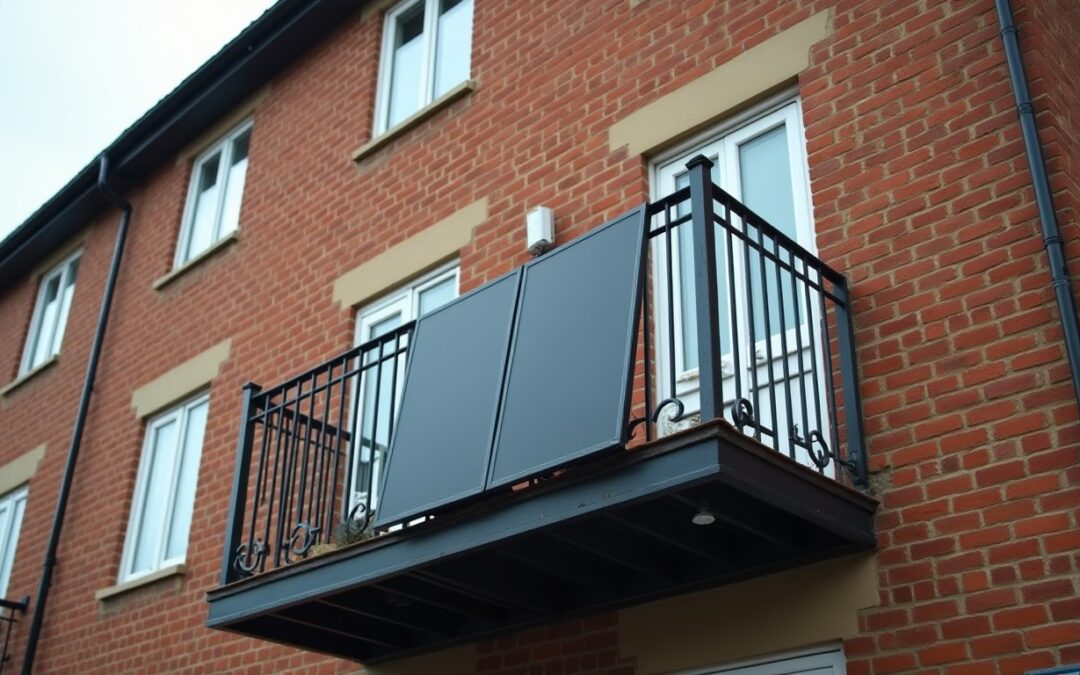
If you live in Germany, you can pick up a plug-in solar kit at Lidl. In France and the Netherlands, they are in mainstream electrical retailers. In the UK, you can order one online and wait a few days for delivery — but you cannot walk into a physical shop and buy one off the shelf.
Why? The UK has legalised plug-in solar. The technology works fine. The savings are real. So where are the retail kits?
The answer is a combination of regulatory timing, retail buying cycles, and the particular caution that UK retailers apply to electrical products. None of it is insurmountable — but none of it is quick either.
The certification problem
The core issue is G98 type test registration.
In the UK, any device that connects to the grid — including plug-in solar micro-inverters — must be certified to G98 standards. This is the Engineering Recommendation that governs how small generators connect to the distribution network. G98 type test registration is the specific certification that confirms a micro-inverter model has been tested and approved for UK grid connection.
Until 2026, the regulatory situation for plug-in solar was genuinely unclear. The law did not explicitly permit plug-in solar; G98 type testing for plug-in micro-inverters was a grey area; and most products sold in Europe were certified to different standards (VDE-AR-N 4105 in Germany, for example) that do not translate directly to UK requirements.
Post-Brexit, the UK diverged from European electrical standards. A kit sold legally in Germany may not meet UK G98 requirements. This matters enormously to a retailer.
When a retailer like B&Q or Screwfix puts a product on shelf, their legal team has confirmed that it complies with all relevant UK regulations. Stocking a non-compliant electrical product that causes a grid fault or a fire is not just a PR problem — it is a product liability issue that can result in substantial legal action.
Until products existed with clear, documented G98 type test registration for the UK market, no major retailer was going to take the risk.
The retail buying cycle problem
Even once certified products existed, the retail machine moves slowly.
Major UK retailers work on buying cycles that typically run 12 to 18 months ahead. A product needs to be identified, sourced, evaluated, put through compliance checks, negotiated on price and margin, and slotted into a seasonal or range plan before it appears on a shelf.
G98-certified plug-in solar products have only been on the UK market in any meaningful way since 2026. That means the earliest realistic window for high-street retail availability — assuming a buying team started work the moment certification existed — is 2027 at the very earliest. More likely 2027 to 2028 for significant physical retail presence.
This is not a failure of the technology or the market. It is simply how retail works. The supply chain, the compliance process, the merchandising decisions — all of it takes time.
Why Lidl does it in Germany but not the UK
This is the question I get asked most often. If Lidl can sell plug-in solar in Germany, why not here?
Two reasons.
First, the German regulatory framework for plug-in solar (Balkonkraftwerk, or balcony power plant) is mature and well-understood. Germany has had a clear legal and technical framework for small plug-in generators for several years. UK legalisation only clarified things properly in 2026. Lidl’s German buying team made their compliance assessment against an established standard. Their UK team would be doing the same against a much newer framework.
Second, Lidl’s UK operation is separate from its German operation. A product certified for Germany cannot simply be repackaged and sold in the UK without UK-specific certification. The micro-inverter firmware, grid parameters, and safety certifications all differ. It is not a straightforward copy-and-paste.
Lidl UK is absolutely watching this market. They are aggressive on energy-saving special buys and have run solar-adjacent products before. But they need a UK-certified product and a completed compliance process before they will put it on a pallet in a Lidl warehouse.
What about online retailers?
Online retail has moved faster than high street retail — partly because the compliance burden is distributed differently.
When you buy a certified product from a brand’s own website or from Amazon’s brand storefront, the manufacturer takes primary responsibility for UK compliance. Amazon Marketplace also requires sellers to confirm compliance for electrical products, though enforcement is imperfect.
The brands that moved earliest — EcoFlow, Anker SOLIX, UKSOL — went direct-to-consumer online specifically because it allowed them to get products to market without waiting for retail buying cycles. Direct online also gives them control over installation instructions, notifications to customers about G98 requirements, and the customer support process.
High street retail will follow, but it will follow the online market by a year or two.
When will you be able to buy plug-in solar at B&Q or Screwfix?
My honest estimate:
Screwfix: 2027. Their customer base — tradespeople and confident DIYers — is exactly the market for plug-in solar. Screwfix moves quickly on new electrical categories and their compliance team is experienced with building regulations products. A G98-certified kit at Screwfix is a logical product range extension.
B&Q: 2027 to 2028. B&Q already stocks EV chargers, smart home products, and energy monitoring devices. Plug-in solar is a natural addition to that aisle. Their buying cycles are longer and their compliance process more conservative than Screwfix, but the market opportunity is clear.
Lidl / Aldi special buys: 2027. Both retailers have done solar special buys in Europe and both are active in the UK energy-saving category. The first UK plug-in solar special buy from one of the discounters is probably the single most significant event that will mainstream the category — it will reach millions of customers who have never heard of plug-in solar.
Argos / Currys: 2028 and beyond. These retailers move more slowly on new electrical categories and are less likely to be early movers. But once Screwfix and the discounters have normalised the product, they will follow.
What you can do now
The retail gap is a timing issue, not a technology issue. Certified products are available online today, they work, and the economics are solid.
If you want plug-in solar now, buy online from one of the certified brands. You will not pay a retail premium — direct-to-consumer online pricing is often better than what retail shelf prices will eventually be. And you start generating and saving money now rather than waiting for Lidl to catch up.
By the time plug-in solar appears in every B&Q and Screwfix, the people who bought in 2026 will already have two or three years of free electricity behind them.
The shelf will be full eventually. The sun is already available.