
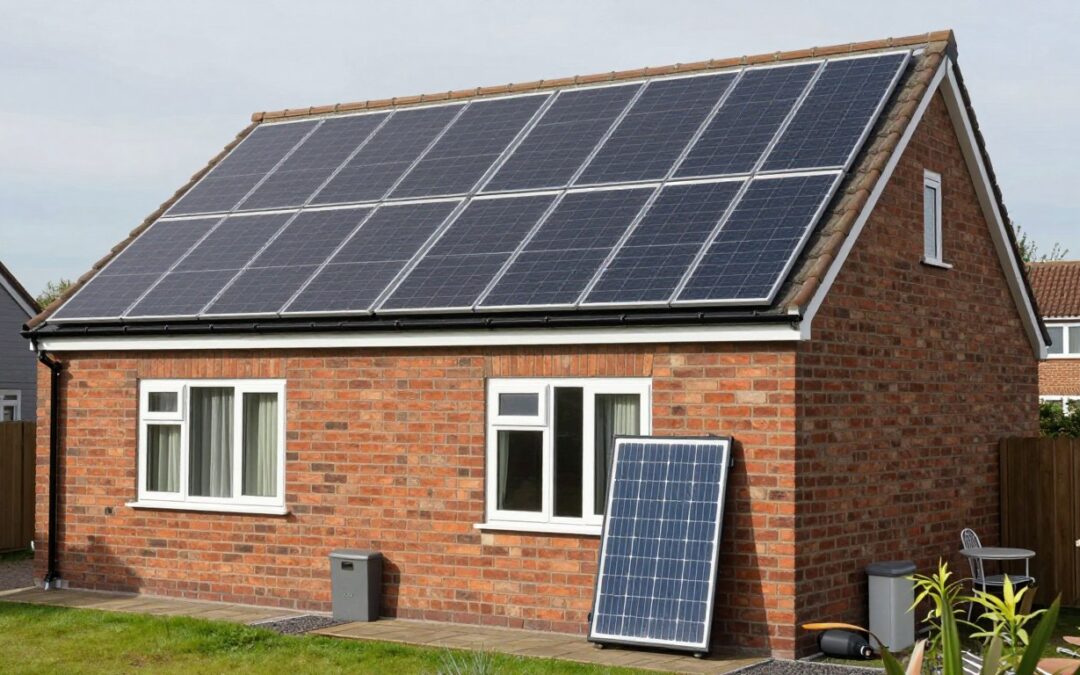
This comes up more than you might expect. People who installed rooftop solar years ago sometimes want to add capacity, and a certified plug-in system is now a route to do that without going through the full MCS re-certification process. The cumulative limit is the thing to check first.
The 3.68kW G98 threshold
G98 is the Engineering Recommendation governing simple grid connection notifications for generators under 3.68kW. Below this threshold, you notify your DNO via a simple online form and that is it. Above it, G99 applies — a formal application that can take weeks and may involve engineering assessment. The limit is cumulative across all generators at the property.
A 3kW rooftop system plus 800W plug-in: 3.8kW total. Above the 3.68kW threshold. G99 is required. A 2.5kW rooftop plus 800W plug-in: 3.3kW total. Under the threshold. G98 notification is fine. Check the nameplate output of your existing inverter (or your MCS certificate) and calculate whether adding 800W pushes you over before buying anything.
What G99 involves
G99 is a formal application to your DNO, who assesses whether the connection poses any network constraint issues. For a small 800W addition on top of a modest rooftop system, rejection is unlikely. But the process takes up to 45 working days formally and some DNOs charge an application fee. Budget for delay if you are close to the threshold.
SEG tariff implications
If you are on a SEG export tariff for your rooftop solar, check with your supplier before adding a certified plug-in system. Some tariff conditions require notification of changes to your generation setup. A plug-in system on a separate hardwired circuit with its own metering may be treated as a separate installation. If it uses the same meter, the additional generation could affect export readings and payment calculations.
For the G98 and G99 notification process, see our regulations page.